Behind every garment we source is a person who made it. Our CSR commitment is simple: to ensure that person is safe, fairly paid, respected, and given the opportunity to thrive — not just to survive.
The vast majority are women. Many are the primary earners for their families. The conditions in which they work, the wages they receive, and the respect they are afforded — these are not peripheral concerns for a sourcing company. They are the business.
At Alishba Holding, we have built our CSR programme not as a compliance obligation to be reported on once a year, but as an integrated operating commitment that shapes which factories we work with, how we audit them, and how we invest in their improvement over time.
We believe that buyers who care about the people in their supply chain deserve a sourcing partner who does too. That is what we have built.
Measured annually. Reported transparently. These figures represent
real programmes running across our partner factory network — not
aspirational targets.
Total workers in factories actively enrolled in our CSR programme frameworks
Average female representation across our tier-1 partner factory network
Children of factory workers supported through our community education partnerships
Verified cases of child labour across our factory network since 2006 — and our absolute commitment going forward
Our living wage programme goes beyond monitoring. We work with factory management teams to benchmark current wages against ACT and WageIndicator living wage estimates for each district, identify the gap, and build a structured roadmap toward closure — shared transparently with both factory owners and workers.
Worker committees are established in each enrolled factory — trained and supported, with direct communication lines to factory management and a confidential channel to the Alishba CSR team. Workers can raise issues, give feedback, and track what has been acted on.
of tier-1 factories in living wage assessment
Worker committee members trained since 2020
Unresolved critical wage non-conformances
Wage benchmark review for all factories
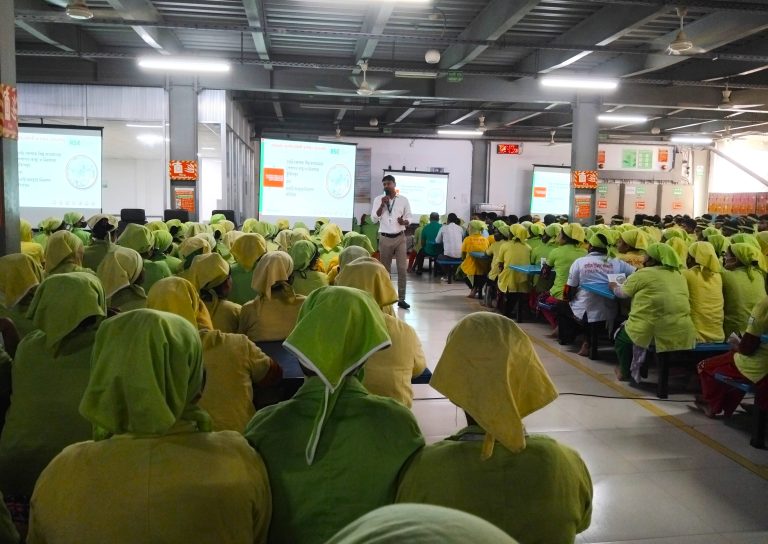
Our gender equity program combines anti-harassment policy implementation with active leadership development. Every partner factory must have a functioning gender equity policy, a trained female HR contact, and a harassment reporting channel—audited annually.
The leadership track identifies high-potential female operators and helpers and provides structured training, mentorship pairing with senior managers, and a transparent promotion pathway. Graduates of the program now hold supervisor and management roles across 14 partner factories.
Female workforce across partner factories
Women promoted to supervisor/management roles
of factories with functioning harassment policy
Factories in the active leadership programme
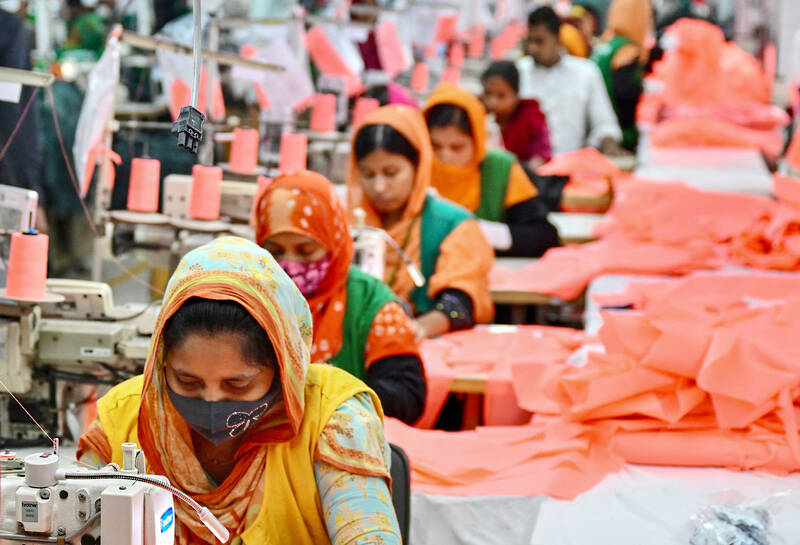
Following the Rana Plaza disaster of 2013, the Bangladeshi garment industry implemented new structural and fire safety requirements. Alishba mandates full compliance for every factory in our network—and goes beyond the minimum: we commission independent structural surveys every three years and include building safety status in our factory scorecards.
Fire safety training is conducted quarterly, not annually. Every floor has a trained fire safety representative, evacuation routes are tested, and fire suppression equipment is serviced on schedule. We do not source from factories with open critical safety findings.
of factories with current structural safety assessment
Fire evacuation drills — not annual
Critical safety findings left open >90 days
Standards applied as baseline for all assessments
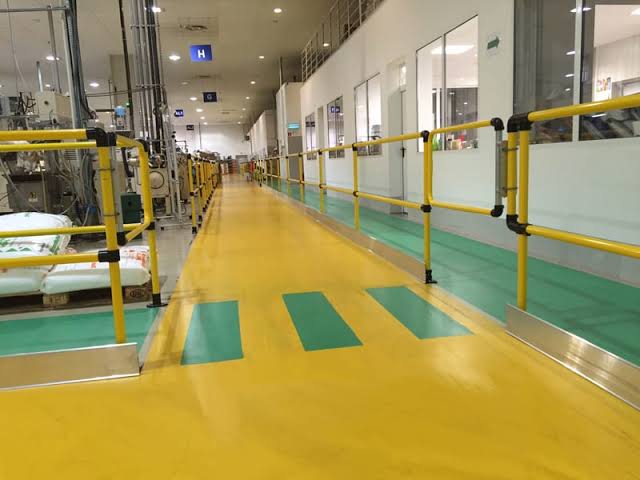
Our community programme is based on a straightforward belief: the communities around our factories are not externalities to be managed—they are stakeholders to be invested in. We direct a portion of our operating margin into three community pillars: education, health access, and local economic development.
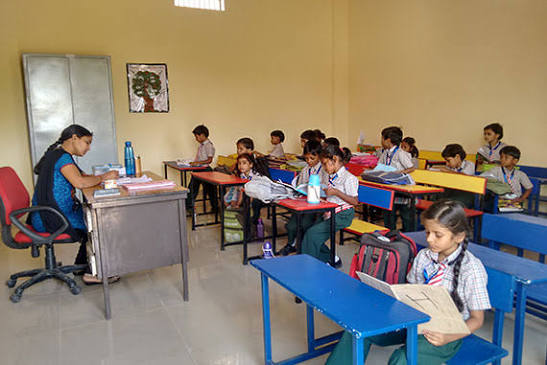
Education partnerships with schools near our major factory clusters provide supplementary materials, teacher training support, and scholarship grants for children of factory workers. The mobile health clinic program extends primary healthcare to workers and family members at no cost.
Schools in our community education partnerships
Health clinic visits per month
Districts with active mobile clinic coverage
Supplier preference policy in trim procurement
We do not self-certify our CSR performance. Recognized third-party audit bodies independently
verify every claim—and we make results available to buyer
partners on request.

Certifies that every component of our sourced textiles has been tested for harmful substances and is harmless to human health.
Independently Verified · Annual Audit
All partner factories are audited against BSCI’s Code of Conduct covering labor rights, health & safety, and business ethics.
Independently Verified · Annual Audit
Factory partners meet WRAP’s 12 Principles covering lawful compliance, worker safety, no forced labor, no child labor, and environmental best practices.
Independently Verified · Annual Audit
Every factory in our network signs and operates under the Alishba Holding Supplier Code of Conduct — a binding document that sets the minimum requirements for working conditions, worker rights, and business ethics we will accept from any manufacturing partner.
The Code is reviewed annually and updated to reflect changes in international standards and buyer requirements. Factories that fail to meet the Code’s requirements are given a structured corrective action plan — and sourcing is suspended for any factory with unresolved critical findings.
Absolute zero tolerance. No worker under 18 in any production role. Age verification is mandatory at hiring and audited annually by independent auditors
All employment voluntary and freely entered. Workers may leave with reasonable notice. No debt bondage, document retention, or coercion of any kind.
Wages meet or exceed the local legal minimum. Overtime is voluntary, compensated at premium rates, and capped at ILO standards. Living wage pathways required.
Factories must meet ACCORD-standard fire and building safety requirements. PPE provision, chemical handling, and ergonomic standards are audited annually.
Workers have the right to organise, join unions, and participate in collective bargaining. Worker committees are supported and their operation is audited.
Hiring, promotion, and compensation decisions based solely on capability and performance. Active gender equity monitoring. No discrimination on any protected characteristic.
Partner with a sourcing company that makes CSR a daily operating commitment —
not an annual report. Talk to our team about how we can build a supply chain
your brand can be proud of.